The bathroom is one of the most wasteful rooms in the average home. Between single-use plastic bottles, disposable razors, cotton pads, and individually wrapped toilet paper, it generates a surprising amount of waste every week. But it does not have to be that way.
A zero waste bathroom is not about perfection. It is about making smarter choices, one swap at a time, that reduce your environmental footprint without sacrificing comfort or hygiene. Here are 10 practical changes you can make today.

1. Switch to Bamboo Toilet Paper
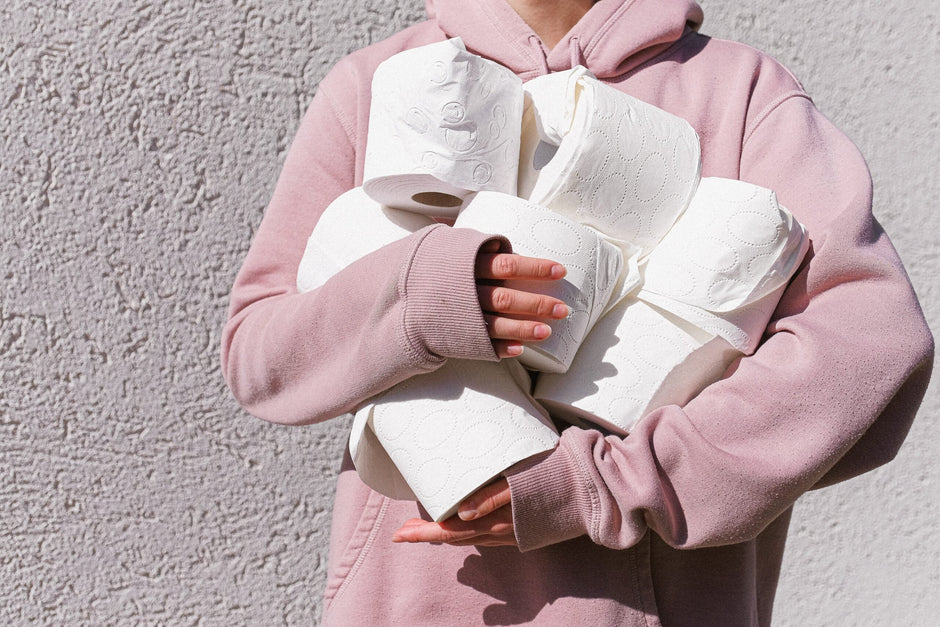
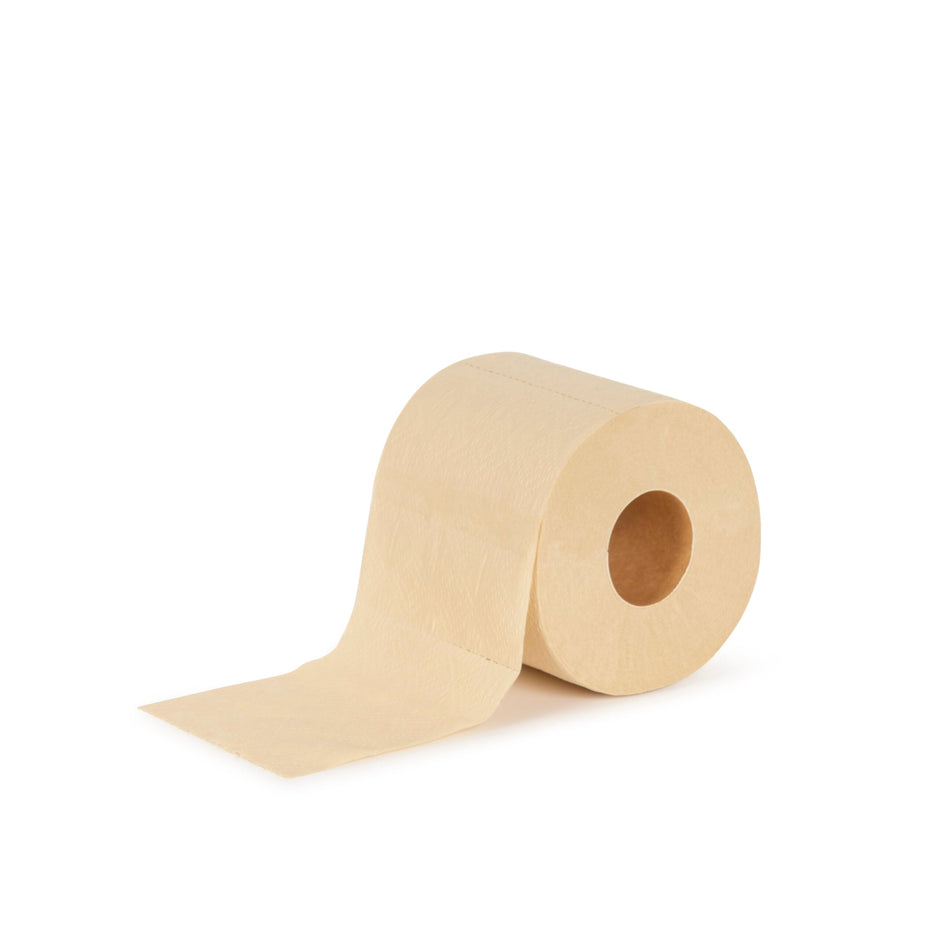
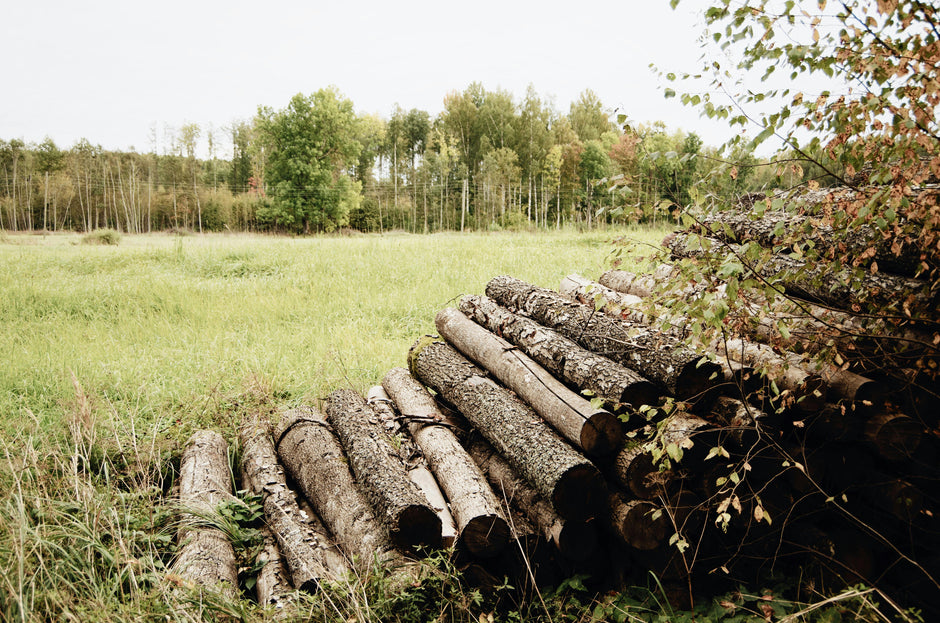
This is the single biggest impact swap you can make in your bathroom. Conventional toilet paper is made from virgin wood pulp - roughly 27,000 trees are felled every day just for toilet paper production. The manufacturing process uses enormous amounts of water, energy, and chemicals like chlorine bleach.
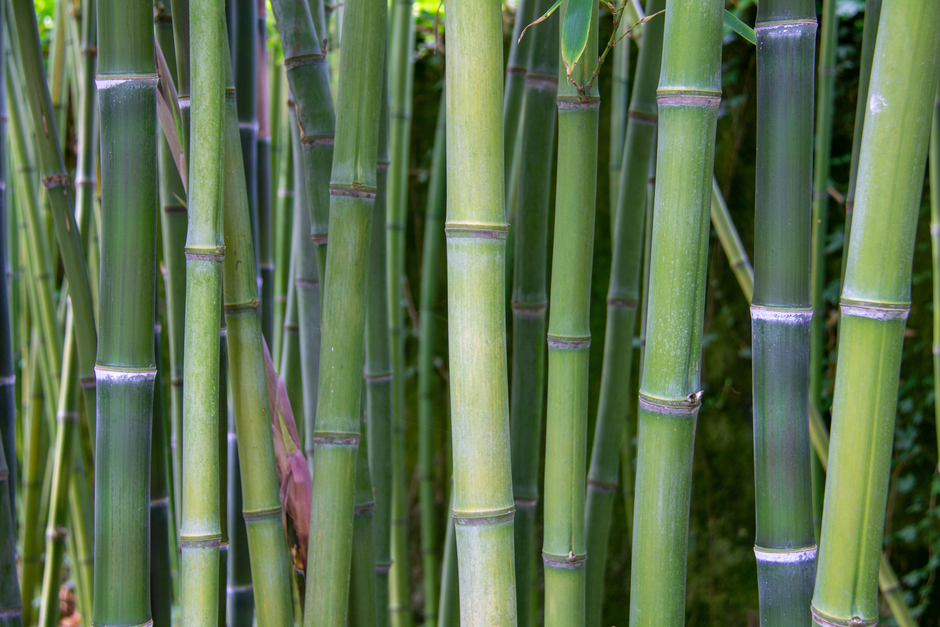
Bamboo toilet paper solves all three problems. Bamboo grows up to 91 centimetres per day, regenerates from its root system without replanting, absorbs 35% more CO2 than equivalent trees, and requires no pesticides or fertilisers. It is also naturally softer and hypoallergenic.
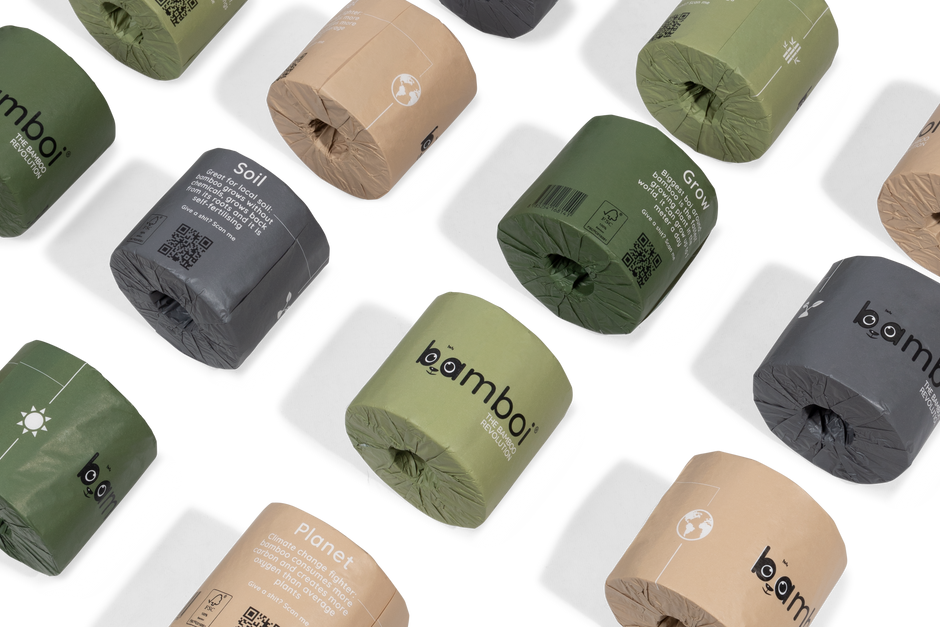
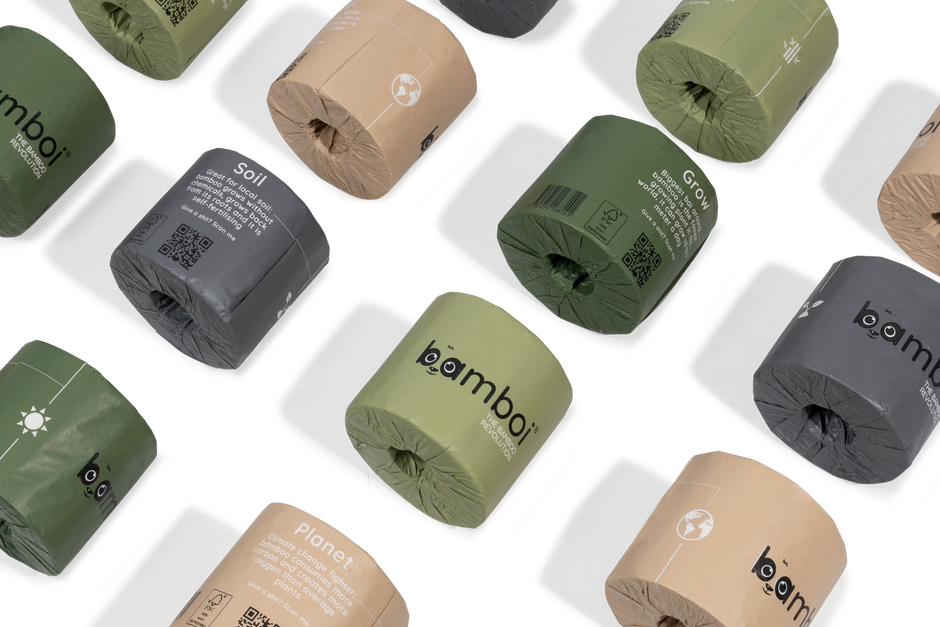
Bamboi® toilet paper is FSC-certified, plastic-free packaged, and delivered straight to your door. One simple switch that saves trees every single day. See our bamboo toilet paper.
2. Use a Bamboo Toothbrush
Over 3.6 billion plastic toothbrushes are sold every year worldwide, and nearly all of them end up in landfill or the ocean. A bamboo toothbrush works exactly the same way but biodegrades naturally at the end of its life. Most come with nylon bristles that can be removed and recycled separately.
Cost-wise, bamboo toothbrushes are comparable to mid-range plastic ones. The only real difference is that you are not leaving a piece of plastic behind every three months.
3. Switch to Bar Soap and Shampoo Bars
Liquid soap and shampoo come in plastic bottles that are often not recycled even when placed in recycling bins. Shampoo bars and bar soaps eliminate plastic packaging entirely, last longer than their liquid equivalents, and are typically made with fewer synthetic ingredients.
A single shampoo bar lasts as long as two to three bottles of liquid shampoo. That is less plastic, less weight during shipping, and less money over time.
4. Replace Disposable Cotton Pads with Reusable Ones
Disposable cotton pads are used for a few seconds and then thrown away. Most contain synthetic fibres and are wrapped in plastic. Reusable cotton or bamboo fibre pads do exactly the same job but can be washed and reused hundreds of times.
A set of 10 to 20 reusable pads typically costs less than a year's supply of disposable ones. They come with a small mesh bag for the washing machine, making maintenance effortless.
5. Choose a Safety Razor Over Disposable Razors
Disposable razors are one of the worst offenders in bathroom waste. They are made from a mix of plastic and metal that cannot be separated for recycling, so they go straight to landfill. A stainless steel safety razor uses single, fully recyclable blades and will last a lifetime with proper care.
The initial investment is higher, but replacement blades cost a fraction of cartridge razor refills. Over five years, a safety razor saves both money and hundreds of plastic razors from ending up in the environment.
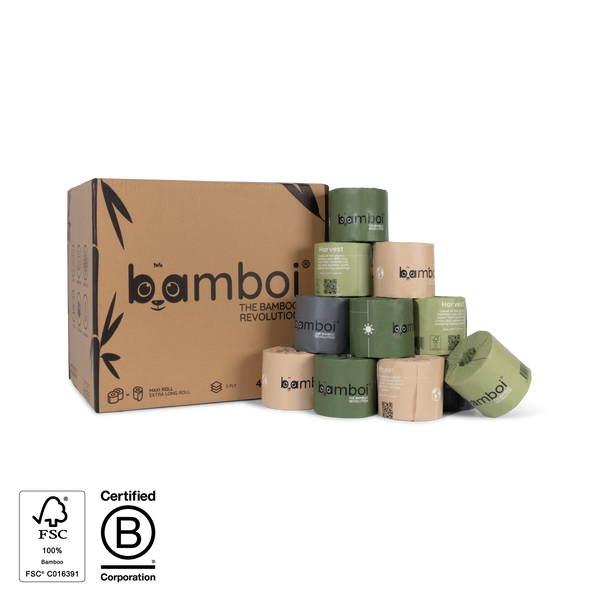
Bamboi
100% Bamboo Toilet Paper
48 MAXI rolls · 3-ply · Plastic-free packaging
€49,99
Order now✓ Free delivery · ✓ FSC certified
6. Use Refillable Containers
Many zero waste shops now offer refill stations for hand soap, body wash, conditioner, and cleaning products. Bring your own container, fill up, and skip the single-use plastic entirely. If refill shops are not available in your area, look for brands that offer concentrated refill pouches that use 80% less plastic than a full bottle.
7. Switch to a Menstrual Cup or Period Underwear
For people who menstruate, single-use pads and tampons generate an enormous amount of waste over a lifetime - an estimated 5,000 to 15,000 products per person. A menstrual cup is a one-time purchase that lasts up to 10 years. Period underwear is another reusable option that eliminates disposable products entirely.
Both options are better for the environment and more cost-effective in the long run.
8. Choose Plastic-Free Dental Care
Conventional dental floss is made from nylon and comes in a plastic container. Bamboo charcoal floss or silk floss in a refillable glass container is a simple swap. Toothpaste tabs - small solid tablets that you chew and brush - eliminate the plastic tube and often come in compostable packaging.
9. Ditch Wet Wipes
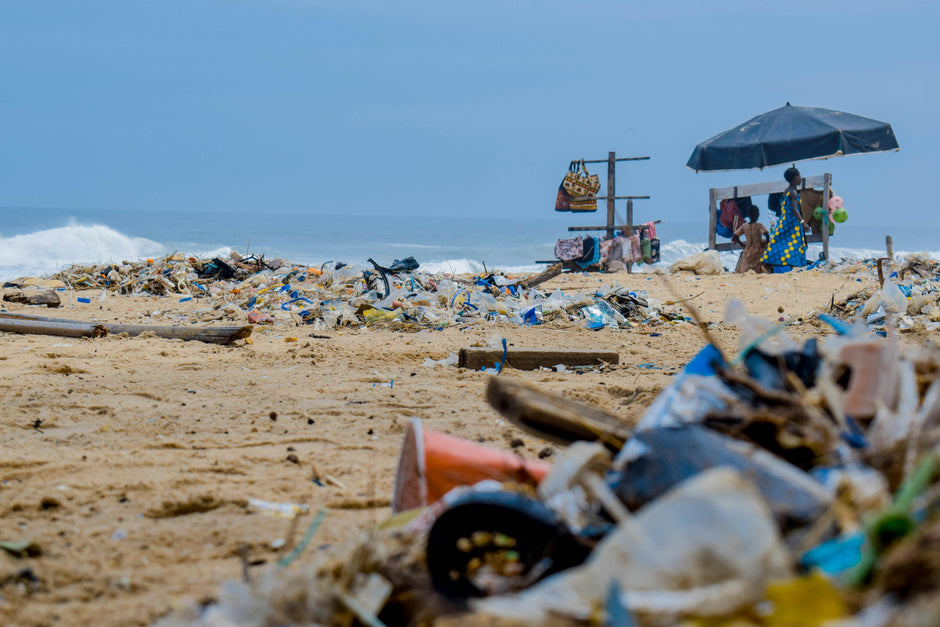
Wet wipes are one of the biggest hidden sources of plastic waste in bathrooms. Most contain polyester or polypropylene fibres, which means they are essentially single-use plastic cloths. They do not break down in sewage systems, cause fatbergs in pipes, and pollute waterways.
Replace them with washable cloths for cleaning, or use bamboo toilet paper which is fully biodegradable and breaks down in water within minutes.
10. Buy in Bulk to Reduce Packaging
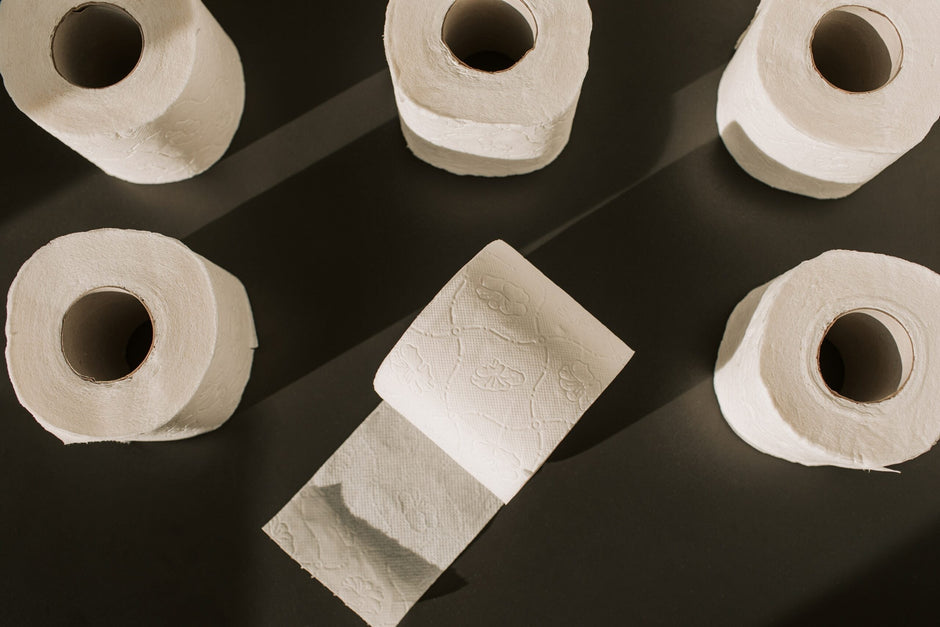
Buying bathroom essentials in larger quantities means less packaging per unit. This applies to everything from toilet paper to soap to cotton buds. Bamboi® offers a 48-roll pack that reduces packaging waste per roll and saves money compared to buying smaller packs.
You can also set up a toilet paper subscription so you never run out and avoid impulse purchases of conventionally packaged products.
Start Small, Stay Consistent
You do not need to overhaul your entire bathroom in one day. Pick one or two swaps, get comfortable with them, and then add more. The cumulative impact of these small changes is significant: less plastic in landfills, fewer trees felled, less chemical pollution in waterways, and a lighter footprint on the planet.
The bathroom is a great place to start because the swaps are simple, the alternatives are widely available, and you will notice the difference in your waste bin almost immediately.