


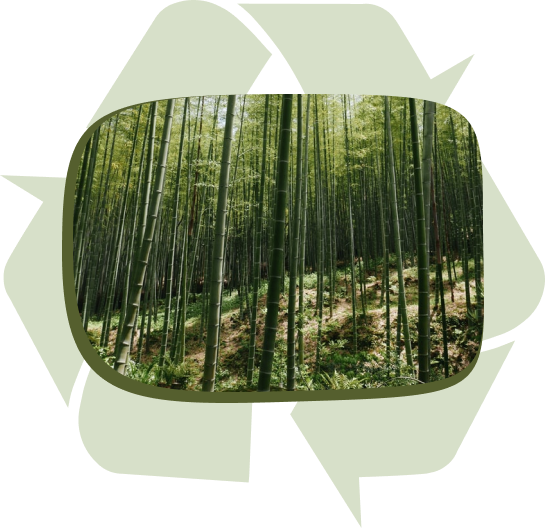
Van bamboe naar Bamboi®
Achter iedere rol Bamboi® begint het verhaal bij bamboe. Geen boom, maar een grassoort die snel groeit en na de oogst opnieuw kan uitlopen vanuit hetzelfde wortelstelsel. Juist die combinatie maakt bamboe voor ons zo’n interessante grondstof voor papier.
Een grassoort met een eigen groeicyclus
Bamboe behoort botanisch tot de grassenfamilie. Er bestaan wereldwijd veel verschillende soorten, ieder met hun eigen eigenschappen en groeisnelheid. Sommige soorten groeien uitzonderlijk snel, terwijl andere vooral geschikt zijn vanwege hun vezelstructuur.
Voor toiletpapier zoeken we uiteindelijk niet alleen een plant die goed groeit, maar vooral een vezel die zich laat verwerken tot zacht en sterk tissuepapier.
Oogsten zonder opnieuw te beginnen
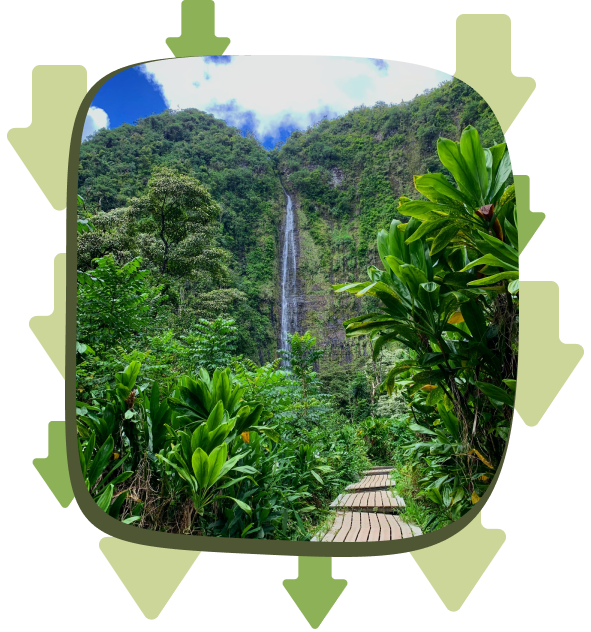
Bij bamboe blijft het ondergrondse wortelstelsel na de oogst intact. Vanuit datzelfde netwerk kunnen nieuwe scheuten ontstaan.
Dat betekent dat de plant na een oogst niet telkens opnieuw vanaf nul hoeft te worden aangeplant. De volgende groeicyclus begint vanuit het bestaande wortelstelsel.
Van stengel naar zachte vezel
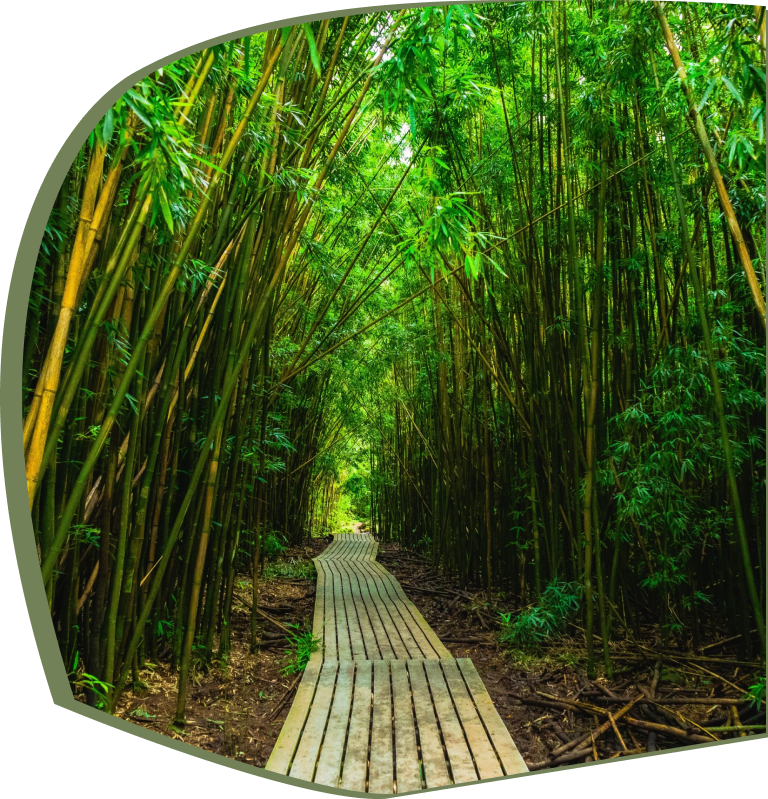
Na de oogst begint de volgende stap. De bamboe voor Bamboi® wordt in Sichuan, China verwerkt tot pulp. Daarbij worden de stevige bamboevezels losgemaakt en geschikt gemaakt voor de productie van tissuepapier.
Van die pulp worden dunne lagen papier gemaakt, die uiteindelijk worden verwerkt tot het zachte en stevige toiletpapier dat je thuis gebruikt.
Het eindresultaat bestaat uit 100% bamboevezels. Het papier wordt niet wit gebleekt en behoudt daardoor zijn natuurlijke kleur.
