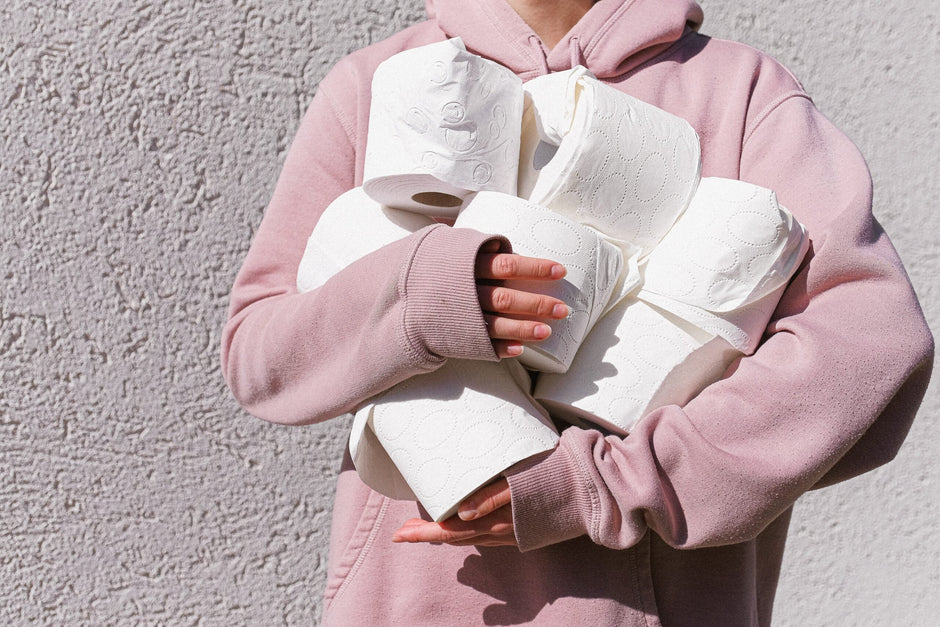
Most people never think about what goes into their toilet paper. It is white, it is soft, it does its job. But that reassuring whiteness and softness often comes at a chemical cost that few consumers are aware of.
Conventional toilet paper can contain a surprising cocktail of chemicals - from chlorine bleach and formaldehyde to PFAS and BPA. Some of these substances are applied during manufacturing, while others are residues from the raw materials. Here is what you should know.

Chlorine and Chlorine Dioxide
The bright white colour of most toilet paper does not occur naturally. Wood pulp is brown. To achieve that white appearance, manufacturers bleach the pulp using chlorine-based chemicals.
Traditional chlorine bleaching (elemental chlorine) produces dioxins and furans as byproducts - persistent organic pollutants that are toxic at extremely low concentrations and accumulate in the environment. While most large manufacturers have shifted to ECF (Elemental Chlorine Free) processes that use chlorine dioxide instead, this still produces chlorinated compounds, just fewer of them.
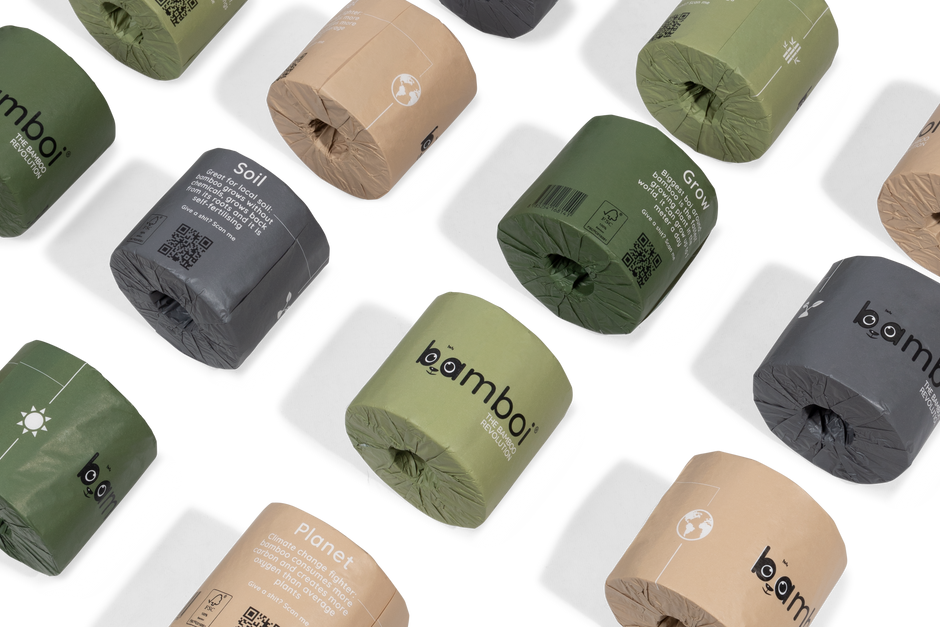
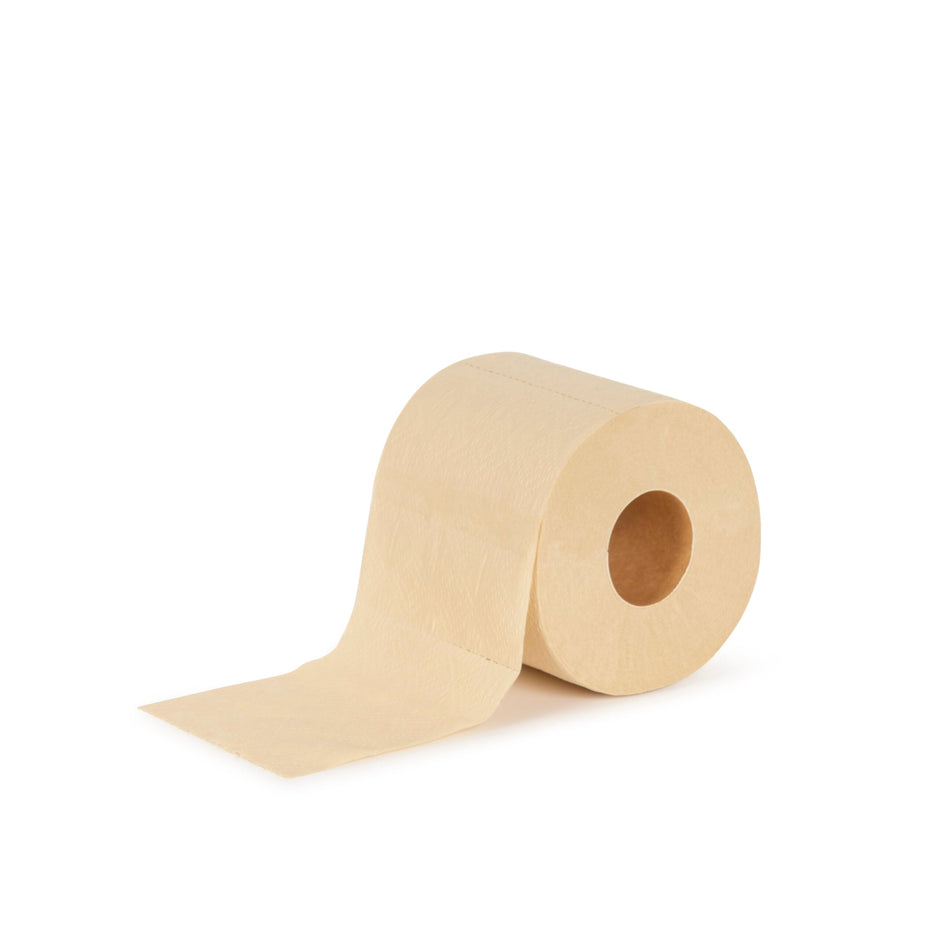
The safest option is TCF (Totally Chlorine Free) processing, which uses oxygen, ozone, or hydrogen peroxide for bleaching. Bamboo toilet paper from Bamboi® uses no chlorine bleach at all.
PFAS (Forever Chemicals)
PFAS - per- and polyfluoroalkyl substances - have been found in toilet paper in multiple studies. These are the so-called "forever chemicals" because they do not break down in the environment. They accumulate in soil, water, and human tissue.
A 2023 University of Florida study found PFAS in every brand of toilet paper tested, including recycled and bamboo varieties. However, recycled toilet paper contained significantly higher PFAS levels because the source materials (printed paper, food packaging) are often treated with PFAS coatings.
When toilet paper is flushed, these PFAS enter the wastewater system and eventually the environment. For a deeper dive into this topic, read our article on PFAS in toilet paper.
BPA (Bisphenol A)
BPA is an endocrine disruptor found in thermal receipt paper, food can linings, and many plastics. When recycled toilet paper is made from post-consumer waste that includes thermal receipts, BPA transfers into the final product.
Studies have detected measurable levels of BPA in recycled toilet paper. While the amounts per sheet are small, consider that toilet paper is used on one of the most absorptive areas of the body, multiple times a day, every day.
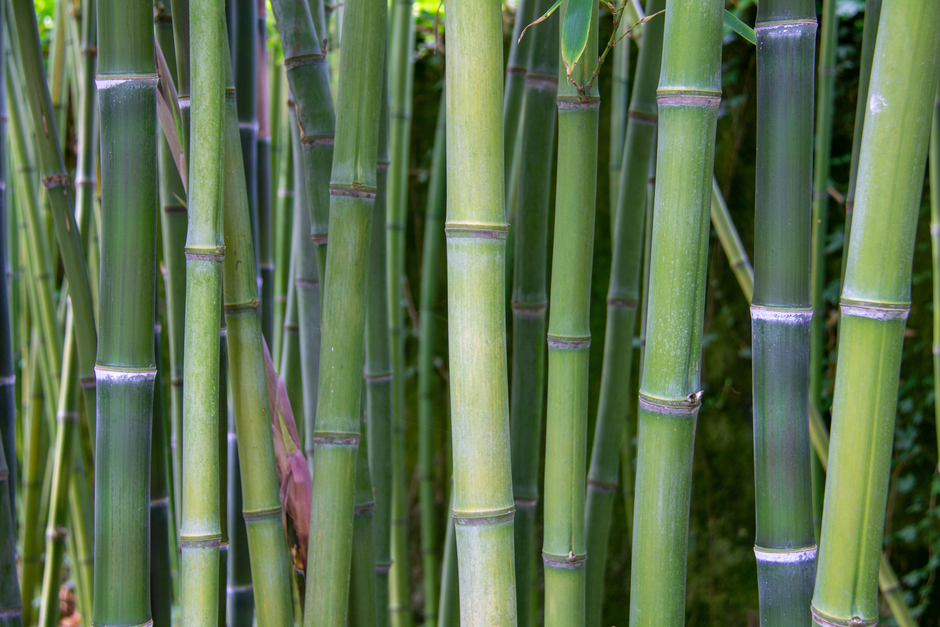
Bamboo toilet paper starts from virgin bamboo fibres, not recycled waste, so it does not carry this BPA contamination risk.
Formaldehyde
Formaldehyde is used in some toilet paper manufacturing as a wet-strength agent - it helps the paper hold together when damp. It is classified as a known human carcinogen by the International Agency for Research on Cancer (IARC).
While the concentrations in toilet paper are typically low, repeated daily skin contact with even trace amounts is a concern for people with sensitive skin, allergies, or chemical sensitivities.
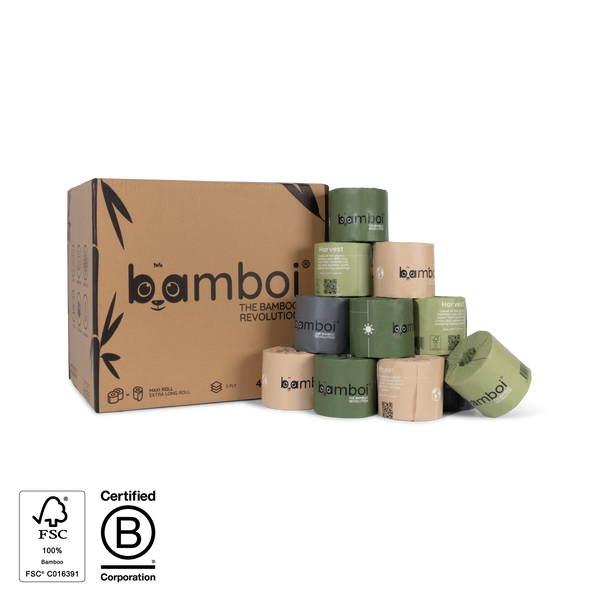
Bamboi
100% Bamboo Toilet Paper
48 MAXI rolls · 3-ply · Plastic-free packaging
€49,99
Order now✓ Free delivery · ✓ FSC certified
Fragrances and Dyes
Scented and coloured toilet paper contains synthetic fragrances and dyes that serve no functional purpose. These additives can cause irritation, allergic reactions, and contact dermatitis - particularly in people with sensitive skin.
If your toilet paper smells like lavender or comes in pastel colours, it contains chemicals that do not belong near sensitive skin. Choose unscented, uncoloured toilet paper every time.
Softening Agents
To compete on softness, many brands add chemical lotions, oils, or lotioned layers to their toilet paper. These can include petroleum-derived substances, synthetic polymers, and proprietary chemical blends. While they make the paper feel smoother, they add unnecessary chemical exposure.
Bamboo fibres are naturally soft - finer and rounder than wood fibres - so bamboo toilet paper achieves softness without chemical additives. Read more about this in our article on the benefits of bamboo toilet paper.
How to Choose Safer Toilet Paper
Look for toilet paper that is:
- Unbleached or TCF (Totally Chlorine Free) - no chlorine compounds
- Fragrance-free and dye-free - no unnecessary chemical additives
- Made from virgin bamboo - avoids BPA and PFAS from recycled sources
- FSC-certified - ensures responsible sourcing
- Plastic-free packaged - reduces overall chemical and environmental footprint
Bamboi® bamboo toilet paper meets all of these criteria. It is made from FSC-certified bamboo, processed without chlorine bleach, free from fragrances and dyes, and wrapped in plastic-free packaging. Discover Bamboi® toilet paper.
The Bottom Line
The toilet paper industry does not require ingredient disclosure like food or cosmetics. Most people have no idea what chemicals are in the product they use on their most sensitive skin several times a day. By choosing bamboo toilet paper from a transparent brand, you eliminate the biggest sources of chemical exposure and support a genuinely cleaner product.