


Which Wet Toilet Paper Can Be Flushed?
Which wet toilet paper can be flushed? It's a question many people ask, but the answer often surprises them. Because most wet wipes cannot be flushed at all — not even when the packaging says "flushable." What's really in those wipes, what goes wrong when you flush them anyway, and what the smartest alternative is: this article lays it all out.
What's in Wet Toilet Paper?
Wet toilet paper feels soft, but most varieties contain synthetic fibers such as polyester or polyethylene. These fibers give the wipe its firm structure and ensure it can get wet without immediately falling apart.
In addition to plastic fibers, many wet wipes also contain preservatives, fragrance, and sometimes chemical additives to inhibit bacterial growth. These substances are needed to keep the wipe moist and shelf-stable in its packaging.
The problem is that all these ingredients make the wipe unsuitable for the sewer system. Plastic fibers do not break down in water — they remain intact, no matter how long you wait.
What Happens If You Flush Them Anyway?
When wet wipes end up in the sewer, they don't break apart the way regular toilet paper does. They stick together, accumulate, and form blockages in drains and the sewage system.
On a large scale, flushable wipes lead to so-called fatbergs: massive blockages in the sewer, built up from wipes, grease, and other waste that should never have been there. The costs for sewer managers worldwide run into millions of euros per year.
The environment pays an additional price. Plastic fibers that escape through the sewer ultimately end up in surface water and soil as microplastics. These are virtually impossible to remove and accumulate in ecosystems.
Which Wet Toilet Paper Can Actually Be Flushed?
There is an international standard for truly flushable wet toilet paper: the Fine to Flush certification from INDA and EDANA. A product with this certification has been tested and proven safe for the sewer.
The criterion is strict: the wipe must completely disintegrate in water within a set time frame, comparable to regular toilet paper. Currently, very few products on the market meet this standard.
Check the label. "Flushable" is not a protected term. Manufacturers may use that designation without the product actually meeting the Fine to Flush standard. Look specifically for the Fine to Flush certification or a reference to the INDA/EDANA test standard if you want to be sure.
Bamboi® as the Smartest Alternative
Those who want to stay fresh after using the toilet don't have to choose between comfort and a healthy sewer system. Dry bamboo toilet paper from Bamboi® dissolves completely in water within minutes, just like regular toilet paper, but soft enough to also use for thorough cleaning.
Bamboi® contains no plastic fibers, no fragrance, and no chemical additives. The paper is 100% bamboo, fully biodegradable, and made without bleaching agents. Bamboo naturally contains Bamboo Kun, an antibacterial substance that provides hygienic freshness without artificial additives.
For those who prefer something wetter: a washcloth or bidet combined with Bamboi® toilet paper makes flushing wet toilet paper completely unnecessary. This keeps the sewer clear while choosing a product that is plastic-free, FSC-certified, and delivered climate-neutrally.
Want to know more about the benefits of sustainable bamboo toilet paper?
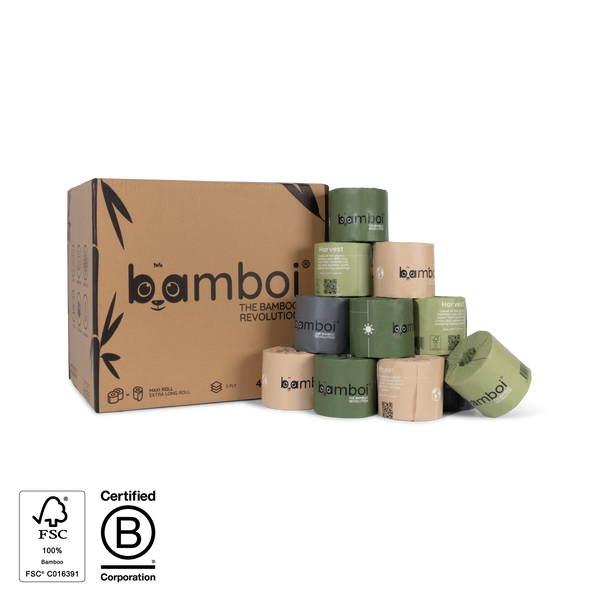
Bamboi
100% Bamboo Toilet Paper
48 MAXI rolls · 3-ply · Plastic-free packaging
€49,99
Order now✓ Free delivery · ✓ FSC-certified
Conclusion
Freshness and sustainability don't have to conflict. Most wet wipes are not suitable for the toilet, regardless of what the packaging says. Blockages, fatbergs, and microplastics are the result of millions of small flush moments per day.
The good news: there is an alternative that is just as hygienic and completely safe for the sewer. Bamboi® dry bamboo toilet paper is soft, biodegradable, free of plastics and chemicals, and dissolves quickly in water. By choosing Bamboi®, you contribute to a more sustainable world — without compromising on comfort.
Frequently Asked Questions




