


Toilet Paper: A Source of PFAS Pollution?
When most people think about pollution, toilet paper does not come to mind. But a growing body of research has revealed something unsettling: many conventional toilet paper brands contain PFAS, a class of synthetic chemicals that do not break down in the environment and have been linked to a range of serious health concerns.
In this article, we look at what PFAS are, how they end up in toilet paper, what the research says about the risks, and what you can do to reduce your exposure.

What Are PFAS?
PFAS stands for per- and polyfluoroalkyl substances. They are a group of more than 12,000 synthetic chemicals that have been manufactured and used in a wide range of consumer and industrial products since the 1940s. PFAS are commonly called "forever chemicals" because their molecular structure is so stable that they do not break down naturally in the environment. Once released, they persist in soil, water, and living organisms for decades or longer.
PFAS are used in products because of their ability to resist heat, water, grease, and stains. You will find them in non-stick cookware, waterproof clothing, food packaging, firefighting foam, cosmetics, and, as it turns out, toilet paper.
Does Toilet Paper Have PFAS?
Yes. Multiple studies have confirmed the presence of PFAS in toilet paper. A widely reported 2023 study published in the journal Environmental Science & Technology Letters tested toilet paper from major brands sold across North America, Europe, Africa, and Central America. The researchers found PFAS, specifically diPAPs (polyfluoroalkyl phosphate esters), in every sample tested.
The levels varied between brands and regions, but the finding was consistent: PFAS contamination in toilet paper is widespread, not limited to a handful of products.
How Do PFAS Get Into Toilet Paper?
There are several pathways by which PFAS end up in toilet paper:
- Recycled content. Toilet paper made from recycled paper can inherit PFAS from the original source materials. Since PFAS are used in food packaging, receipts, and many types of printed paper, recycled pulp can carry these chemicals through the reprocessing cycle.
- Water used in production. Paper mills use large volumes of water, and if that water comes from PFAS-contaminated sources (which is increasingly common), the chemicals can transfer to the paper during manufacturing.
- Converting and packaging processes. PFAS-containing coatings or adhesives used in the production line or packaging can contribute trace amounts to the finished product.
- Tree pulp from contaminated soil. Trees grown in areas where PFAS have accumulated in the soil (near industrial sites, military bases, or areas where contaminated biosolids have been applied as fertiliser) can absorb these chemicals, which then end up in the pulp.
Why Should You Care About PFAS in Toilet Paper?
PFAS exposure has been associated with a growing list of health concerns. While the research is ongoing, current evidence links PFAS exposure to:
- Increased risk of certain cancers, including kidney and testicular cancer
- Thyroid disease and hormonal disruption
- Liver damage and elevated cholesterol
- Reduced immune system function, including weakened vaccine response
- Reproductive issues, including reduced fertility and pregnancy complications
- Developmental effects in children
The concern with PFAS in toilet paper is twofold. First, there is direct skin contact. Toilet paper is used on some of the most sensitive and absorbent areas of the body, which may allow chemicals to enter the bloodstream more easily than contact with less permeable skin. Second, there is the wastewater issue.
PFAS, Toilet Paper, and Wastewater
When toilet paper is flushed, it enters the sewage system. The 2023 study estimated that toilet paper contributes a significant portion of the PFAS load entering wastewater treatment plants. In some regions, toilet paper was found to be one of the leading sources of PFAS in municipal sewage.
This matters because conventional wastewater treatment processes do not effectively remove PFAS. The chemicals pass through treatment plants and are discharged into rivers, lakes, and coastal waters. They also concentrate in the sewage sludge (biosolids) that is often spread on agricultural land as fertiliser, creating a cycle of contamination.
In other words, every time someone flushes PFAS-containing toilet paper, those forever chemicals enter the water system and the food chain.
Chemicals in Toilet Paper Beyond PFAS
PFAS are not the only chemicals of concern in conventional toilet paper. The manufacturing process can introduce a range of other substances:
- Chlorine and chlorine compounds. Used in the bleaching process. Chlorine bleaching can produce dioxins and furans, which are persistent organic pollutants.
- Formaldehyde. Used in some wet-strength resins to help the paper hold together when damp. Formaldehyde is a known carcinogen.
- BPA (bisphenol A). Found particularly in recycled toilet paper, where it originates from thermal receipt paper and other BPA-containing source materials. BPA is an endocrine disruptor.
- Fragrances. Synthetic fragrances can contain dozens of individual chemical compounds, many of which are skin irritants or potential allergens.
- Dyes. Coloured or patterned toilet papers contain dyes that add chemical load without any functional benefit.
When you add PFAS to this list, it becomes clear that conventional toilet paper is not the simple, harmless product most people assume it to be.
How to Reduce Your PFAS Exposure from Toilet Paper
While it is difficult to avoid PFAS entirely in modern life, you can take steps to minimise your exposure from toilet paper specifically.
Choose Bamboo Toilet Paper
Bamboo toilet paper is less likely to contain PFAS than either virgin wood or recycled paper products. Bamboo is grown without pesticides, typically on dedicated plantations far from industrial PFAS contamination sources. The production process for bamboo toilet paper also tends to involve fewer chemical treatments overall.
While no product can guarantee absolute zero PFAS (given how pervasive these chemicals have become in the environment), bamboo toilet paper represents a lower-risk option.

Avoid Recycled Toilet Paper (for PFAS Specifically)
This is a counterintuitive recommendation, because recycled toilet paper is generally considered a good environmental choice. However, the recycling process concentrates PFAS from contaminated source materials. If PFAS avoidance is your primary concern, virgin bamboo pulp is a better starting point than recycled paper. For a broader comparison, see our guide on how toilet paper is made.
Look for Unbleached or TCF-Bleached Products
Products that skip chlorine bleaching eliminate one source of chemical contamination. Unbleached or TCF (Totally Chlorine Free) toilet paper is a straightforward way to reduce chemical exposure. Many bamboo toilet paper brands offer unbleached or TCF-bleached options.
Avoid Fragranced and Dyed Products
Toilet paper does not need to smell like lavender or have a printed pattern. Every additive is another potential source of chemical exposure. Plain, unscented, undyed toilet paper is the cleanest option.
Check for Certifications
Look for third-party certifications that indicate a commitment to chemical safety. FSC certification confirms responsible forestry practices, while certifications like OEKO-TEX Standard 100 or EU Ecolabel indicate that the product has been tested for harmful substances.
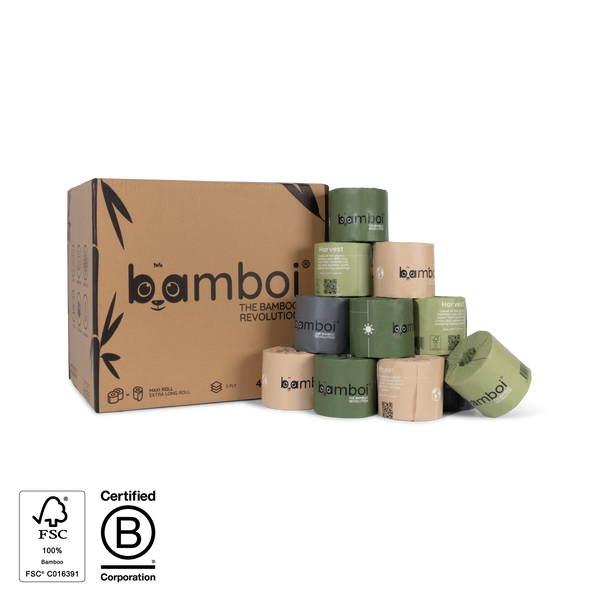
Bamboi
100% Bamboo Toilet Paper
48 MAXI rolls · 3-ply · Plastic-free packaging
€49,99
Order now✓ Free delivery · ✓ FSC certified
What About Bidets?
Using a bidet significantly reduces the amount of toilet paper you need, which in turn reduces your potential PFAS exposure from paper products. Bidets are common in many parts of the world and are becoming increasingly popular in the UK and US. Even a simple attachment bidet, which can be fitted to an existing toilet without any plumbing modifications, can cut toilet paper usage by 75% or more.
Combining a bidet with biodegradable bamboo toilet paper for drying is arguably the lowest-impact bathroom routine available.
The Bigger Picture
PFAS in toilet paper is not an isolated issue. It is part of a much larger problem of chemical contamination that affects our water, food, air, and everyday products. But awareness is the first step toward change, and making informed choices about something as simple as toilet paper is a practical way to reduce your personal exposure.
The toilet paper industry has been slow to address this issue, largely because most consumers are not yet aware of it. As demand for cleaner, safer products grows, manufacturers will be forced to respond. By choosing products that are free from unnecessary chemicals and made from responsible materials, you are not just protecting your own health. You are sending a market signal that matters.
Want to explore the broader benefits of switching? Read our comprehensive article on the benefits of bamboo toilet paper and see why the switch makes sense on every level.
Interested in some surprising numbers behind the product we all use daily? Check out our collection of toilet paper facts for more eye-opening information.




