If you are trying to make a more sustainable choice for your bathroom, you have probably narrowed it down to two options: bamboo toilet paper or recycled toilet paper. Both are marketed as eco-friendly alternatives to conventional virgin-wood toilet paper, but they are fundamentally different products with different trade-offs.
Here is an honest, detailed comparison to help you decide which one is right for you.

Raw Materials: Where It Starts
Bamboo toilet paper
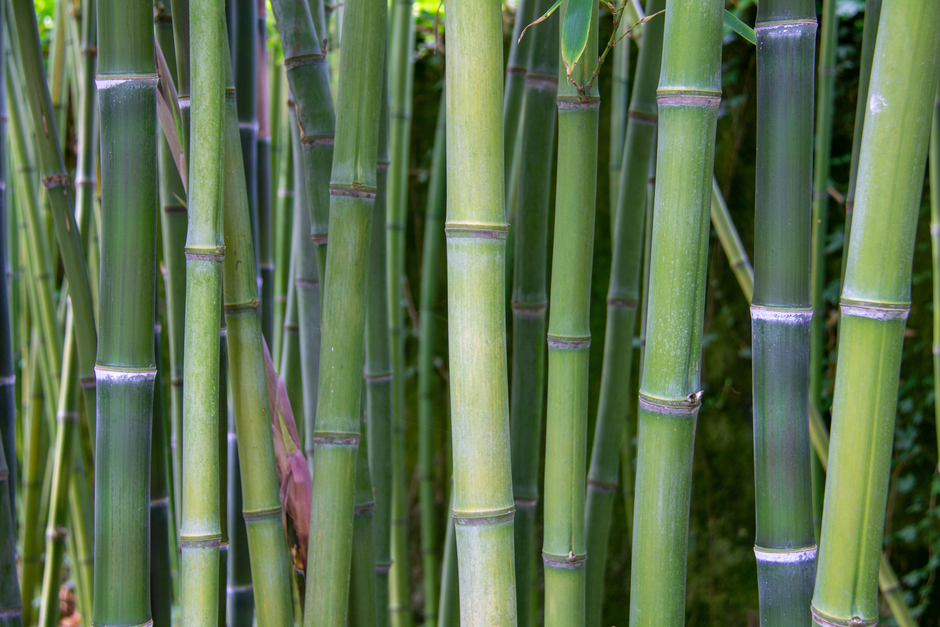
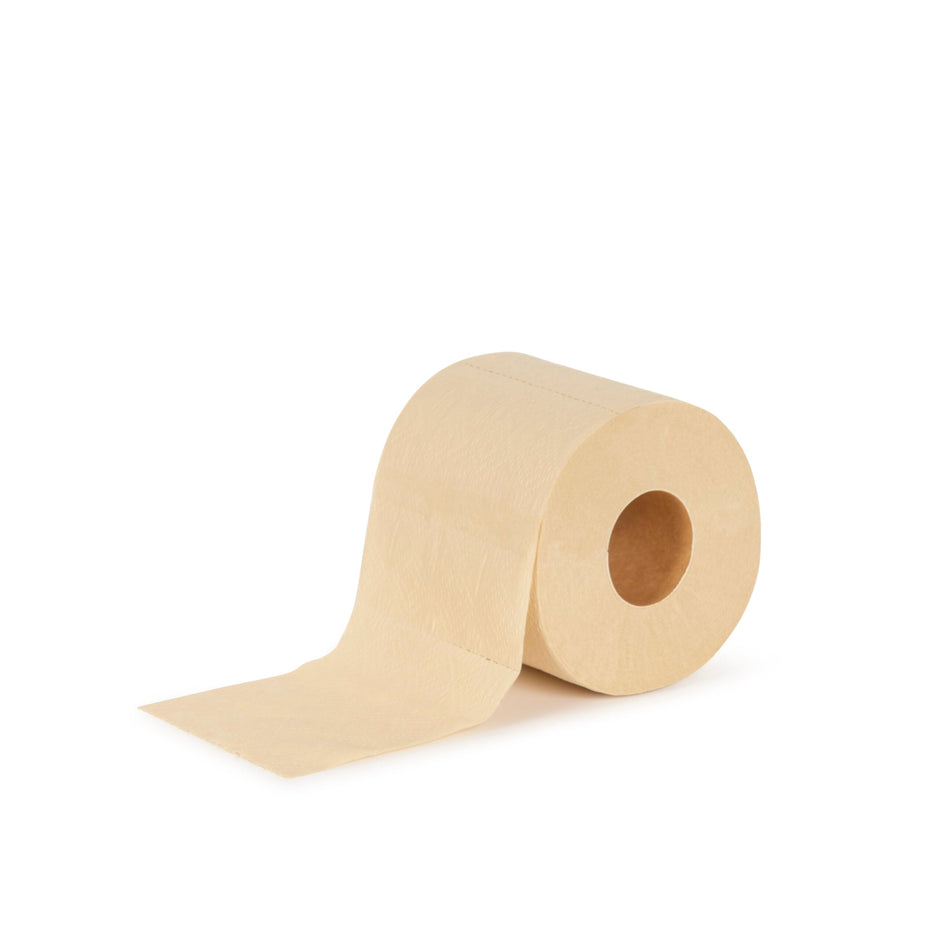
Bamboo toilet paper is made from bamboo pulp - the fibres of the bamboo plant. Bamboo is technically a grass, not a tree. It grows up to 91 centimetres per day, regenerates from its roots without replanting, and reaches maturity in three to five years. A bamboo grove can be harvested repeatedly from the same root system for decades.
Bamboo requires no pesticides, no fertilisers, and minimal irrigation. It absorbs 35% more CO2 than equivalent trees and produces more oxygen per hectare. Learn more in our article on what makes bamboo sustainable.
Recycled toilet paper
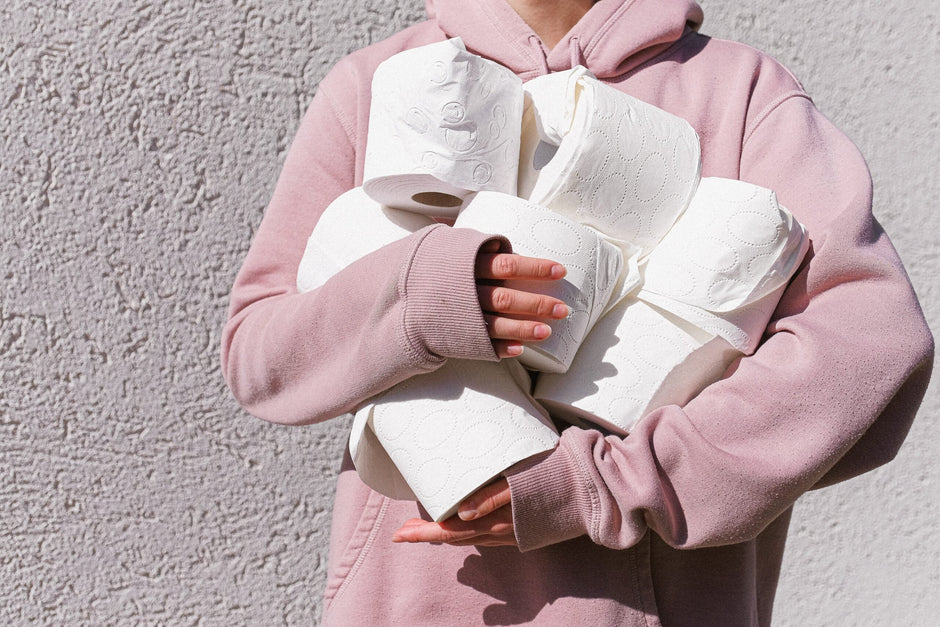
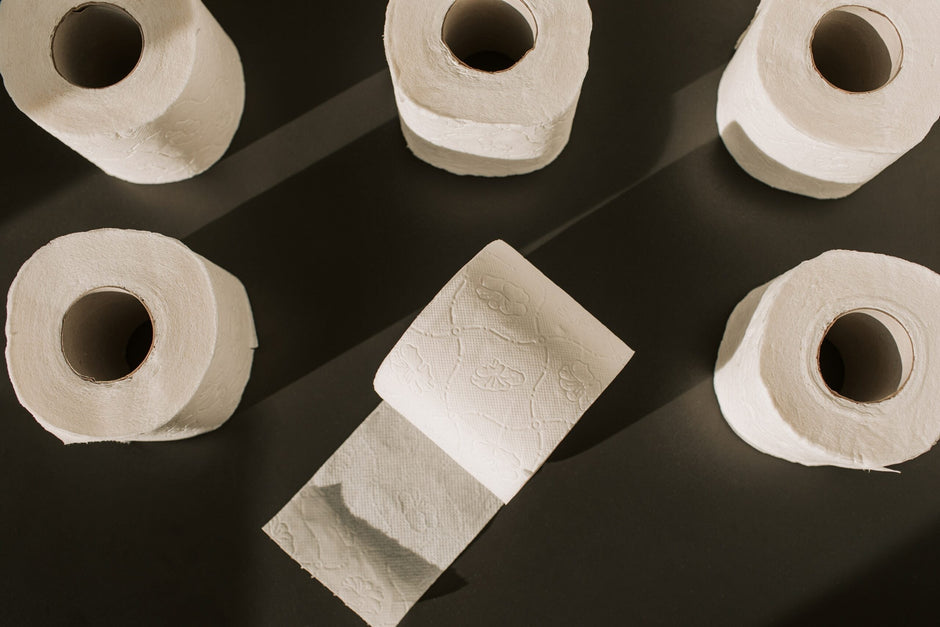
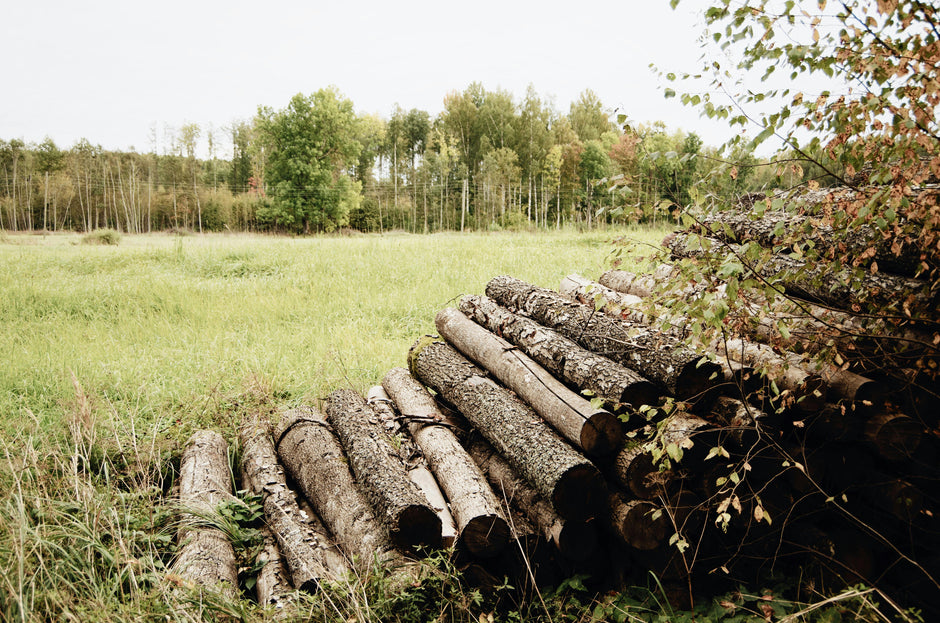
Recycled toilet paper is made from post-consumer waste paper - office paper, newspapers, cardboard - that has been collected, de-inked, re-pulped, and reformed into tissue. No new trees are cut down for recycled toilet paper, which is its main selling point.
However, paper fibres can only be recycled five to seven times before they become too short and weak to form a usable sheet. Each recycling cycle degrades the fibre quality.
Environmental Impact Comparison
Carbon footprint
Bamboo wins here. A bamboo plantation continuously absorbs carbon, even after harvesting, because the root system keeps growing. The carbon sequestration is ongoing and permanent as long as the grove exists.
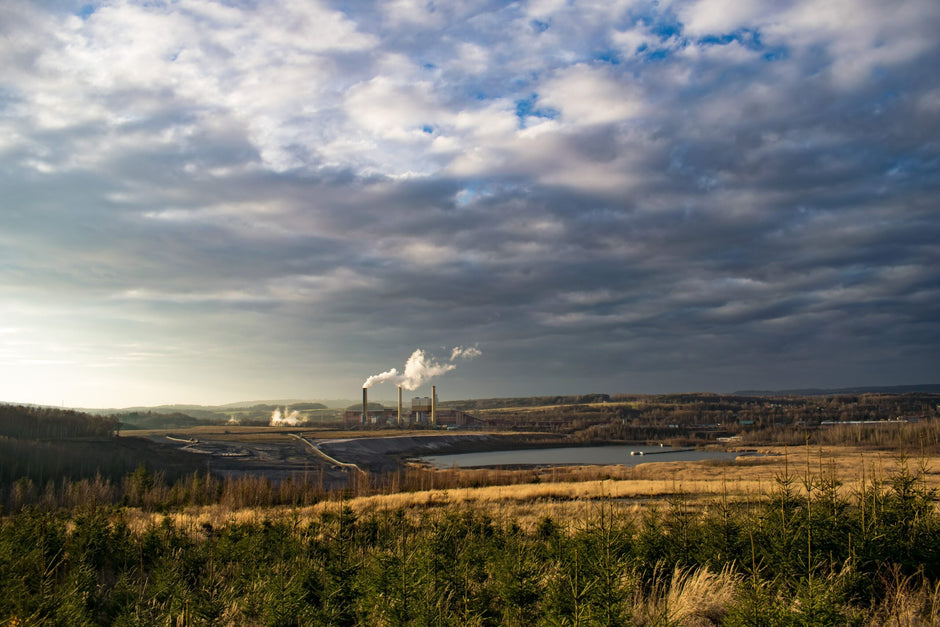
Recycled paper avoids the carbon cost of felling new trees, but the recycling process itself is energy-intensive. De-inking, re-pulping, and bleaching require significant amounts of electricity, water, and chemicals. The net carbon benefit depends heavily on the energy source of the recycling facility.
Water usage
Bamboo requires significantly less water to grow than trees used for conventional toilet paper. However, the manufacturing process for bamboo toilet paper does use water for pulping and washing.
Recycled toilet paper manufacturing also uses substantial water - particularly in the de-inking and cleaning stages where contaminants from the source paper must be removed.
Overall, bamboo toilet paper has a lower total water footprint when you include the growing phase.
Chemical processing
This is where the comparison gets interesting. Recycled toilet paper often contains more chemical residues than bamboo toilet paper. The source materials - printed paper, newspapers, receipts - contain inks, dyes, BPA from thermal paper, and other contaminants. The de-inking process uses chemicals to remove these, but traces often remain in the final product.
Studies have found that recycled toilet paper can contain higher levels of BPA (bisphenol A) and PFAS than virgin or bamboo alternatives. Read more about this in our article on PFAS in toilet paper.
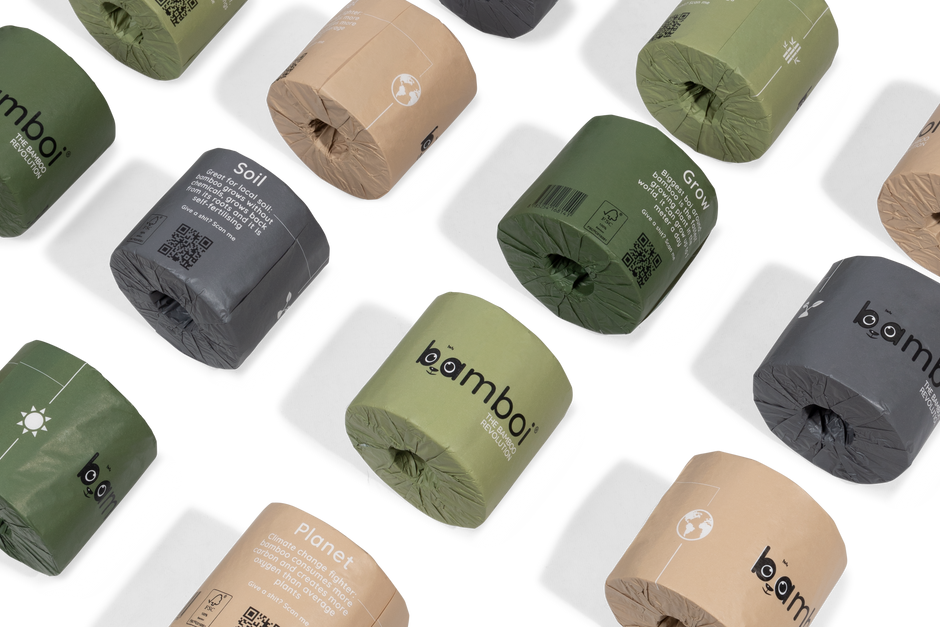
Bamboo toilet paper, when produced responsibly, starts from a clean raw material and requires less chemical processing. The best brands, like Bamboi®, avoid chlorine bleach entirely.
Softness and Comfort
Bamboo toilet paper is consistently softer than recycled toilet paper. Bamboo fibres are naturally finer and rounder than recycled wood fibres, which have been degraded through previous use cycles. Most people who try both notice a significant difference in texture.
Recycled toilet paper tends to be rougher and thinner. While some premium recycled brands have improved, they generally cannot match the natural softness of bamboo without adding chemical softeners.
Strength and Performance
Bamboo fibres are naturally long and strong, producing toilet paper that holds together well when wet. This means less tearing, less lint, and better performance overall.
Recycled fibres are shorter (because they have been through multiple processing cycles) and produce a weaker sheet. Recycled toilet paper is more likely to tear or disintegrate during use.
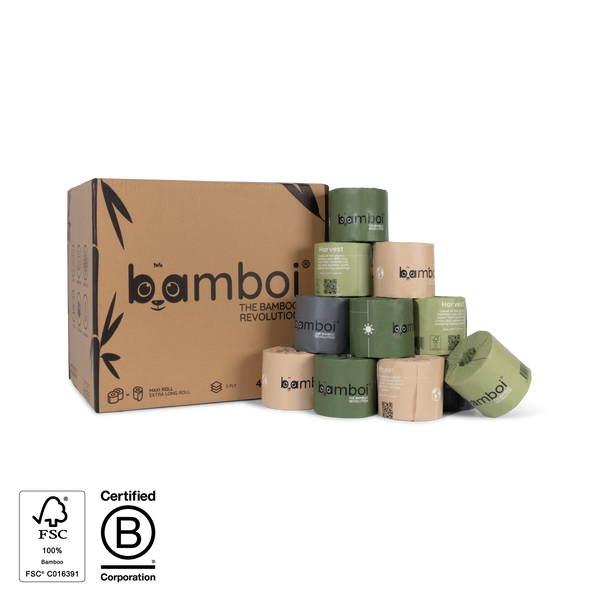
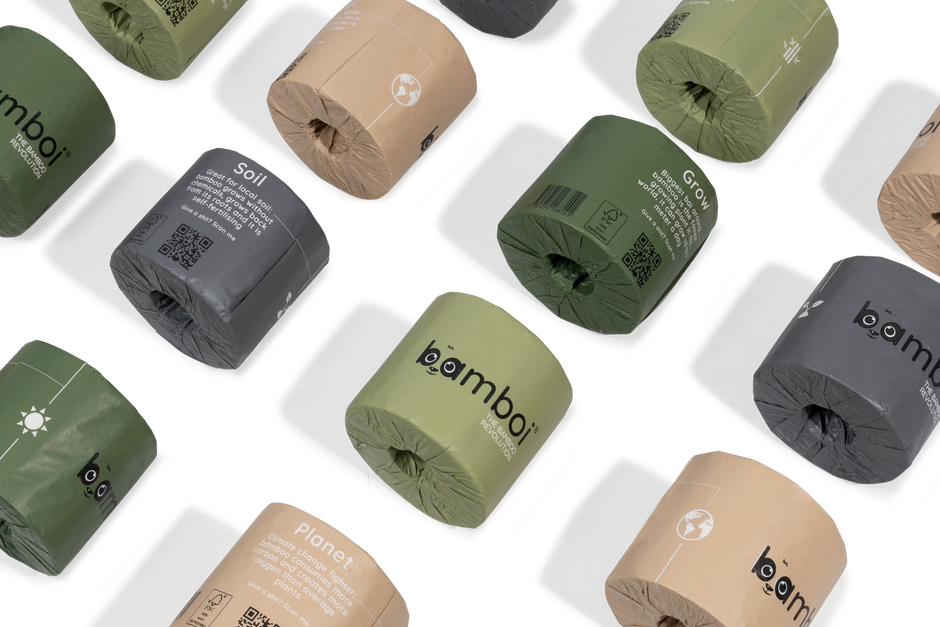
Bamboi
100% Bamboo Toilet Paper
48 MAXI rolls · 3-ply · Plastic-free packaging
€49,99
Order now✓ Free delivery · ✓ FSC certified
Biodegradability
Both bamboo and recycled toilet paper are biodegradable and septic-safe. However, bamboo toilet paper breaks down slightly faster in water due to the natural properties of bamboo fibres. This makes it less likely to cause plumbing issues. For more on this topic, see our article on toilet paper and plumbing.
Price
Recycled toilet paper is generally cheaper per roll than bamboo toilet paper. This is because the raw material (waste paper) is inexpensive and the manufacturing infrastructure is well established.
Bamboo toilet paper is slightly more expensive, partly because the supply chain is newer and partly because the raw material is sourced from certified sustainable plantations. However, the price gap has been narrowing as demand increases. Bamboi® offers competitive pricing, especially on bulk packs.
The Verdict
Both bamboo and recycled toilet paper are better choices than conventional virgin-wood toilet paper. But they are not equal.
Bamboo toilet paper is the better choice if you prioritise: lower carbon footprint, fewer chemical residues, natural softness, strength, and a truly renewable raw material.
Recycled toilet paper is a reasonable choice if price is your primary concern and you want to avoid contributing to tree felling. Just be aware of the potential chemical residue issue.
At Bamboi®, we believe bamboo is the future of sustainable toilet paper. It is the only raw material that grows faster than we can use it, requires no harmful inputs, and produces a superior product. Try it for yourself.