


Toilet Clogged by Toilet Paper: How to Fix It (and Prevent It)
A toilet clogged with toilet paper is one of those household problems that always seems to happen at the worst possible moment. Whether it is right before guests arrive or first thing on a Monday morning, a blocked toilet needs fixing fast. The good news is that most toilet paper clogs are straightforward to deal with, and you probably already have the tools you need.
In this guide, we walk you through several methods to unclog a toilet blocked by toilet paper, from the simplest approaches to more stubborn situations. We also cover why it happens and what you can do to prevent it from happening again.
Why Does Toilet Paper Clog Toilets?
Toilet paper is specifically designed to break down in water. So why does it sometimes cause blockages?
There are several common reasons:
- Too much paper at once. This is the number one cause of toilet paper clogs. Using a large amount of paper in a single flush overwhelms the drain before the paper has time to start dissolving.
- Thick or multi-ply paper. Premium multi-ply toilet papers are thicker and often treated with wet-strength additives that make them more resistant to breaking down in water. While they feel luxurious, they are more likely to cause blockages than thinner varieties.
- Low-flow toilets. Modern water-saving toilets use significantly less water per flush than older models. While this is good for water conservation, the reduced water volume can sometimes struggle to push large amounts of paper through the drain effectively.
- Partially blocked drains. If your drain already has a partial obstruction from mineral build-up, tree roots, or accumulated debris, even a normal amount of toilet paper can tip it over the edge into a full blockage.
- Old or narrow pipes. Older homes often have narrower waste pipes that are more prone to clogging than modern plumbing.
How to Unclog a Toilet: Method by Method
Method 1: Wait It Out
If the clog is purely toilet paper and there is no risk of overflow, the simplest approach is often to do nothing. Toilet paper is designed to dissolve in water. Given 20 to 30 minutes of soaking time, the paper may break down enough to clear the blockage on its own. After waiting, try flushing again. If the water drains away normally, the problem has solved itself.
This method works best with thinner toilet papers and smaller clogs. If you are using thick, heavily treated paper, it may take much longer to dissolve.
Method 2: Hot Water and Dish Soap
This is a gentle but effective approach that works surprisingly well for toilet paper blockages.
- Squirt a generous amount of liquid dish soap into the toilet bowl. About half a cup should do.
- Boil a kettle of water, then let it cool for a minute or two. You want the water to be hot but not boiling, as boiling water could crack a cold porcelain bowl.
- Carefully pour the hot water into the bowl from about waist height. The height gives the water some force as it hits the blockage.
- Wait 10 to 15 minutes. The combination of heat and soap helps to break down the toilet paper fibres and lubricate the drain.
- Flush the toilet. In most cases, the clog will have cleared.
Method 3: The Plunger
If hot water and soap do not do the trick, it is time for the plunger. A flange plunger (one with an extended rubber flap at the bottom) works much better on toilets than a flat-bottomed cup plunger.
- Place the plunger over the drain hole at the bottom of the bowl, making sure the flange extends into the hole for a good seal.
- Push down slowly to expel the air from the plunger. Then pull up sharply. The push creates pressure on the clog, and the pull creates suction. This back-and-forth action breaks up the toilet paper and dislodges the blockage.
- Repeat this push-pull motion 15 to 20 times.
- Remove the plunger and check if the water starts to drain. If it does, flush the toilet to clear everything through.
Plunging is the single most effective method for clearing toilet paper clogs and will solve the vast majority of blockages.
Method 4: Baking Soda and Vinegar
If you do not have a plunger, you can try the baking soda and vinegar method.
- Remove some water from the bowl if it is close to overflowing. Use a cup or small container to bail some out into a bucket.
- Pour one cup of baking soda into the toilet bowl.
- Slowly pour two cups of white vinegar into the bowl. The mixture will fizz and bubble. This chemical reaction helps to break down the toilet paper.
- Let the mixture work for 30 minutes to an hour.
- Follow up by pouring in a kettle of hot (not boiling) water.
- Wait another 10 minutes, then flush.
This method takes longer than plunging but can be effective for moderate blockages, especially when combined with the hot water technique.
Method 5: A Plumbing Snake (Toilet Auger)
For stubborn clogs that resist plunging, a toilet auger (also called a closet auger or plumbing snake) is the next step. This tool has a flexible cable with a corkscrew tip that physically breaks through blockages deep in the drain.
- Insert the auger into the toilet drain and push it forward while turning the handle clockwise.
- When you feel resistance, you have reached the clog. Continue turning the handle to bore through the blockage.
- Once the cable moves freely, slowly retract it while continuing to turn.
- Flush the toilet to clear the loosened material.
Toilet augers are available at most hardware shops for a modest price and are worth having on hand if you experience regular blockages.
Method 6: Call a Plumber
If none of the above methods work, the problem may be deeper in your drainage system than a simple toilet paper clog. Tree roots, collapsed pipes, or significant mineral build-up can all cause persistent blockages that require professional equipment to diagnose and clear. A qualified plumber can use a CCTV drain camera to inspect the pipes and identify the real cause of the problem.
How to Prevent Toilet Paper Clogs
Prevention is always better than cure. Here are some practical steps to reduce the chance of future blockages.
Use Less Paper Per Flush
If you tend to use a lot of paper, try flushing partway through rather than using a large amount and flushing all at once. Two smaller flushes put far less strain on the drain than one large one.
Choose a Better Toilet Paper
Not all toilet papers are equal when it comes to plumbing. Thick, quilted, multi-ply papers with added lotions and wet-strength agents are the most likely to cause blockages. Thinner, less treated papers dissolve faster and flush more easily.
Bamboo toilet paper is a particularly good choice for plumbing health. It is designed to break down quickly in water and does not contain the wet-strength resins that make conventional paper resist dissolving. It is also fully biodegradable, which is better for your pipes, your septic system, and the environment.
Avoid Flushing Non-Flushable Items
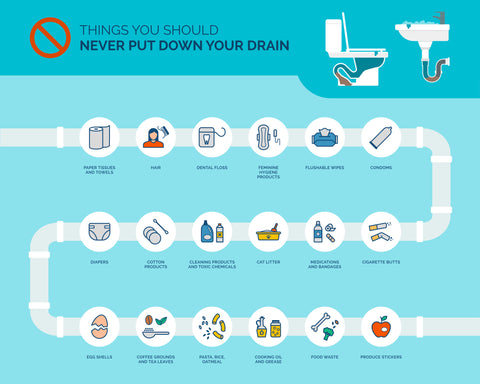
This should go without saying, but a surprising number of toilet blockages are caused by items that should never go down the toilet: wet wipes (even those labelled "flushable"), cotton buds, sanitary products, dental floss, and nappies. Only toilet paper and human waste should be flushed.
Maintain Your Plumbing
If you have an older home with narrow or ageing pipes, regular maintenance can help prevent problems. An annual drain inspection and cleaning can catch potential issues before they turn into full blockages.
The Toilet Paper Connection
It is worth noting that the type of toilet paper you use has a direct impact on how often your toilet clogs. Heavily processed, chemical-laden toilet papers are engineered to feel thick and soft, but those same qualities make them slower to dissolve. This is a problem not just for your plumbing but for sewage systems and the environment as a whole.
Switching to a toilet paper that dissolves quickly is one of the easiest things you can do to reduce plumbing problems. Bamboo toilet paper is naturally soft and strong but breaks down rapidly in water, making it a smart choice for both comfort and plumbing health.
Want to understand more about what goes into your toilet paper and how it is produced? Read our article on how toilet paper is made for the full story.
Bamboi
100% Bamboo Toilet Paper
48 MAXI rolls · 3-ply · Plastic-free packaging
€49,99
Order now✓ Free delivery · ✓ FSC certified
When to Worry
An occasional clog is nothing to be concerned about. But if your toilet is blocking frequently, it could indicate a deeper issue with your drainage system. Signs that you should call a professional include:
- Multiple drains in the house backing up at the same time
- Gurgling sounds from drains when the toilet is flushed
- Water coming up through the shower drain when you flush
- Persistent bad smells from the drains
- Slow drainage throughout the house, not just in the toilet
These symptoms suggest a problem in the main sewer line rather than a simple toilet paper clog, and they need professional attention.
Quick Reference: Unclogging a Toilet
- Wait 20 to 30 minutes for the paper to dissolve on its own.
- Try hot water and dish soap.
- Use a flange plunger with firm, steady strokes.
- Try baking soda and vinegar followed by hot water.
- Use a toilet auger for stubborn blockages.
- Call a plumber if nothing else works.
A clogged toilet is never fun, but it is almost always fixable. And with the right toilet paper and sensible habits, you can keep it from becoming a regular problem.




